
Living With Pain
Massage for chronic pain: where it fits in a plan
One in five American adults lives with chronic pain. The evidence for massage is thinner than most people assume, and more specific about when it helps.
The short answer
Massage for chronic pain may take the edge off, but the benefit is usually small and short-term. For chronic neck pain, sessions of 60 minutes two or three times a week worked best, and fibromyalgia relief needed at least 5 weeks of massage. Use it alongside conventional care, never instead of it, and tell your clinician.
- of U.S. adults live with chronic pain (2019 survey)
- 20.4%
- have high-impact pain limiting daily life most days
- 7.4%
- session length that worked best for chronic neck pain
- 60 minutes
- minimum course before massage eased fibromyalgia pain
- 5 weeks
- across 12 neck and shoulder studies (2013 review)
- 757 participants
- in 7 osteoarthritis trials reviewed in 2017
- 352 participants
How common is chronic pain?
About one in five American adults lives with it. The 2019 National Health Interview Survey, summarized by the National Center for Complementary and Integrative Health (NCCIH), puts it at 20.4 percent of adults with pain on most days or every day over the previous 3 months. A smaller group, 7.4 percent, has high-impact chronic pain, meaning it limits work or daily life on most days.
People in either group get told to try everything: acupuncture, yoga, a massage therapist a friend recommends, a supplement with a confident label. This guide sets out what the evidence says about massage for chronic pain, which approaches have a sturdier record, and which popular options do not hold up.
Who is most likely to have chronic pain?
It is more common in older adults, military veterans and people in rural areas. NCCIH notes that chronic pain rises with age, partly because conditions such as osteoarthritis become more common, and that national survey data show both general and severe pain are more common among veterans than nonveterans. Chronic pain is also more common in rural areas than in cities.
Rates vary by race and Hispanic origin too: an analysis of 2010–2017 survey data found the highest rate among non-Hispanic American Indian and Alaska Native respondents and the lowest among non-Hispanic Asian respondents. Among people with a diagnosis, low-back pain and osteoarthritis are the most common, followed by rheumatoid arthritis, migraine, carpal tunnel syndrome and fibromyalgia. Some chronic pain comes from the nervous system itself, which clinicians call neuropathic pain, and sometimes no cause is found.
Chronic pain often comes with disturbed sleep, restricted movement, anxiety and depression, so a useful plan has to address more than the ache.
What is a complementary approach?
A complementary approach is used alongside conventional medical care; an alternative approach is used instead of it. Massage belongs in the first group. NCCIH's rule for all of these methods: don't use an unproven product or practice to postpone seeing a clinician about your pain.
NCCIH has also replaced its older label, "mind and body practices", with three groups sorted by how the therapy is delivered: psychological approaches such as meditation and music therapy; physical approaches such as acupuncture, massage and spinal manipulation; and combined approaches such as yoga and tai chi.
NCCIH's rule: don't use an unproven product or practice to put off seeing a clinician about chronic pain.
What does the research say about massage for chronic pain?
It shows small benefits, mostly short-term, that depend on the condition. The NCCIH evidence summary breaks it down by the kind of pain.
Low-back pain
Several reviews found only weak evidence of benefit. The Agency for Healthcare Research and Quality reviewed 20 studies in 2016 and found massage helped chronic low-back pain, on low-strength evidence, and a 2015 Cochrane review found short-term relief with no established long-term effect. The American College of Physicians' 2017 guideline lists massage for acute and subacute low-back pain and leaves it off the chronic list.
Neck and shoulder pain
This is the clearest signal, and it still fades. A 2013 review of 12 studies (757 participants) found massage beat inactive therapies for neck and shoulder pain but did no better than other active treatments, with only a short-term benefit for the shoulder. A 2014 trial of 228 people with chronic neck pain found that sessions of 60 minutes given two or three times a week worked better than shorter or less frequent ones.
Osteoarthritis
A 2017 review of 7 trials (352 participants) found low-to-moderate quality evidence that massage reduced pain and improved function, mostly in knee osteoarthritis. The American College of Rheumatology and the Arthritis Foundation still conditionally recommend against massage for hip or knee osteoarthritis, citing weaknesses in the evidence. Both conclusions draw on the same small pool of studies, which suggests any effect is small.
Fibromyalgia
A 2014 review of 9 studies (404 participants) found massage improved pain, anxiety and depression only when it continued for at least 5 weeks, and it had no effect on sleep disturbance. A single session falls well short of the course those studies tested.
Safety
NCCIH describes the risk of harm from massage as low. Rare serious problems, including a blood clot, a nerve injury or a bone fracture, have been reported, often with vigorous techniques such as deep-tissue work or in people already at higher risk of injury.
| Condition | What the research found | Evidence quality |
|---|---|---|
| Chronic low-back pain | Short-term relief; ACP lists massage for acute and subacute pain only | Low (AHRQ 2016; Cochrane 2015) |
| Neck & shoulder pain | Better than inactive care; 60 minute sessions two or three times a week worked best | Modest, short-term (2013 review; 2014 trial) |
| Osteoarthritis | Reduced pain, improved function — mostly knee studies | Low to moderate (2017 review, 7 trials, 352 participants) |
| Fibromyalgia | Improved pain, anxiety and depression after 5+ weeks; no effect on sleep | 9 studies, 404 participants (2014 review) |
What has stronger evidence than massage?
Acupuncture, tai chi and yoga have sturdier records for specific conditions. A large analysis of individual patient data found acupuncture more effective than both no treatment and sham acupuncture for back and neck pain, with a wider gap over no treatment than over sham. There is moderate-quality evidence that it reduces migraine frequency, and in studies against migraine drugs, people getting acupuncture were much less likely to drop out because of side effects. A 2017 review found that acupuncture, yoga, relaxation techniques, tai chi, massage and spinal manipulation may all have some benefit for chronic pain, but only acupuncture had evidence that it could reduce a patient's need for opioids.
Tai chi carries the strongest guideline language. The American College of Rheumatology and the Arthritis Foundation strongly recommend it for knee or hip osteoarthritis, after studies found improvements in pain, stiffness, balance and physical function, and the 2017 ACP guideline lists it for chronic low-back pain. Yoga helped low-back pain in both the short term (1 to just under 6 months) and the intermediate term (6 to just under 12 months), with effects similar to other exercise; the ACP lists it for chronic but not acute low-back pain.
For chronic low-back pain the ACP guideline also includes mindfulness-based stress reduction as an option, and suggests progressive muscle relaxation and biofeedback as first steps. Studies found mindfulness-based interventions and cognitive behavioral therapy (CBT) both lowered pain intensity and improved function, with no important difference between them, and CBT remains the prevailing psychological treatment for chronic pain.
The CDC's 2022 opioid prescribing guideline ties this together: several nondrug treatments improve chronic pain and function "with small to moderate effects in specific pain conditions" and "are not associated with serious harms." The guideline recommends making full use of nondrug and non-opioid treatments where appropriate.
The CDC's 2022 guideline: nondrug treatments improve chronic pain and function with small to moderate effects and no serious harms.
Which popular options lack good evidence?
Glucosamine, chondroitin, fish oil and vitamin D for osteoarthritis, along with Reiki and static magnets. The rheumatology guideline strongly recommends against glucosamine for the hand, hip or knee because the studies with the lowest risk of bias show it works no better than placebo, and it advises against chondroitin and combined glucosamine-chondroitin products for the hip or knee. It conditionally recommends against fish oil and vitamin D for osteoarthritis. There is not enough high-quality research to say whether Reiki relieves pain, and static magnets, sold in bracelets and shoe insoles, have no conclusive evidence behind them for any type of pain.
Cannabis products and hypnosis sit in between. Short-term studies suggest some formulations containing THC and CBD may reduce chronic pain, with side effects such as dizziness and sleepiness, and little is known about long-term use. Hypnosis may help, but the studies that found a benefit involved at least 8 sessions.
How to fit massage into a chronic pain plan
Plan it with the people treating you and expect a small benefit. The better-supported complementary approaches, massage included, tend to deliver the small to moderate, often short-term effects the CDC described, as one part of a plan that still includes conventional care. A small, low-risk benefit that adds to other treatment can be worth having when you know that is what you are paying for.
NCCIH's practical advice comes down to a few steps.
- Tell your clinician about anything you are considering before you start, especially supplements, which can interact with prescription and over-the-counter drugs. If you are pregnant or nursing, check with your clinician before taking any supplement.
- For hands-on approaches such as massage, acupuncture or spinal manipulation, ask a trusted source, such as your clinician or a nearby hospital, to recommend a practitioner. Ask about their training and experience, and whether they have worked with your pain condition.
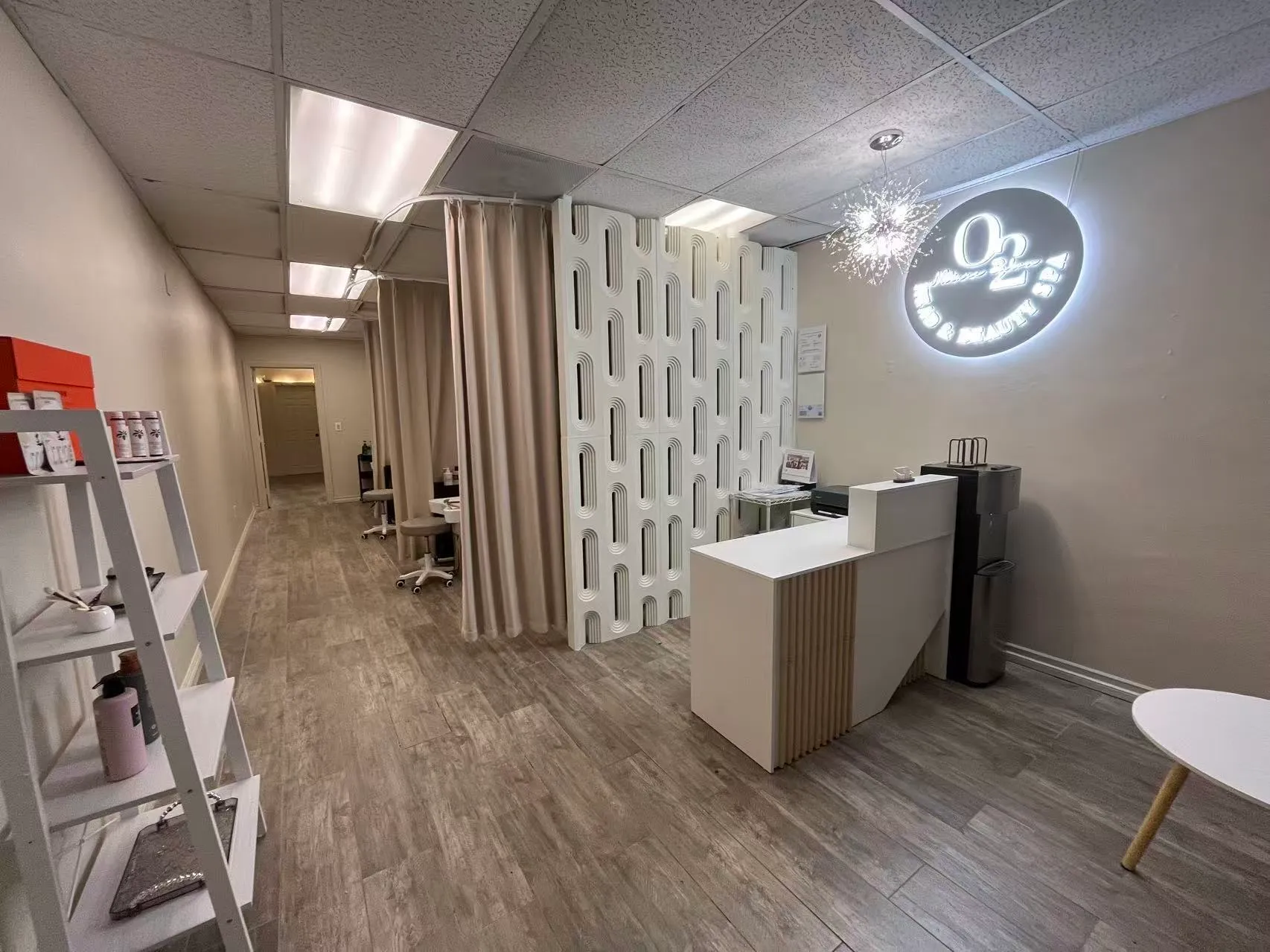
- Give it a fair trial at the doses the studies used, rather than one session. At O2 Head & Beauty Spa in Arcadia, the pain relief sessions run 60 minutes; ask the front desk whether the targeted or full-body session suits the area that hurts.
- Movement practices such as yoga and tai chi can leave you sore and carry some risk of injury, so a qualified instructor matters. If you have a medical condition or are pregnant, some practices may need to be modified or avoided.
Questions people ask
Can massage treat chronic pain on its own?
No. Massage is a complementary approach, used alongside conventional care rather than in place of it. The evidence supports small, usually short-term benefits for some conditions, and NCCIH warns against using any unproven practice to put off seeing a clinician.
How long does massage need to continue to help fibromyalgia?
At least 5 weeks. A 2014 review of 9 studies (404 participants) found massage improved pain, anxiety and depression in fibromyalgia only when it continued that long, and it did not help sleep disturbance.
How many massage sessions does chronic pain need?
Several, spread over weeks. In the 2014 neck-pain trial, sessions of 60 minutes two or three times a week for 4 weeks worked where 30 minute sessions did not, and fibromyalgia benefits appeared only after at least 5 weeks of massage.
What has stronger evidence than massage for chronic pain?
Acupuncture has the strongest case: it beat both no treatment and sham acupuncture for back and neck pain, and it is the only approach with evidence that it can reduce opioid need. Tai chi is strongly recommended for knee or hip osteoarthritis, and the 2017 ACP guideline lists yoga and mindfulness-based stress reduction for chronic low-back pain.
Is massage recommended for arthritis?
Expert bodies disagree. A 2017 review of 7 trials (352 participants) found massage reduced pain and improved function, mostly in knee osteoarthritis, while the American College of Rheumatology and the Arthritis Foundation conditionally recommend against it for hip or knee osteoarthritis. When reviewers split over the same small evidence base, any effect is probably small, so ask your clinician.
Are supplements a safer bet than massage for pain?
Not necessarily. The rheumatology guideline strongly recommends against glucosamine for osteoarthritis because the best-designed studies show it works no better than placebo, and the FDA has warned about pain supplements tainted with prescription drugs. Tell your clinician about every supplement you take.
Sources
- NCCIH — Chronic Pain and Complementary Health Approaches: Usefulness and Safety
- NCCIH — Massage Therapy for Health: What the Science Says
- NCCIH — Massage Therapy: What You Need To Know
- NCCIH — Mind and Body Practices
- Li et al., 2014 — Massage therapy for fibromyalgia: systematic review and meta-analysis (PubMed)
Written and fact-checked by the O2 Head Spa editorial team against the primary sources above. Menu details and prices are taken from our live booking page.
This guide is for general education only and is not medical advice. Talk with a licensed healthcare provider about what is right for you.
One piece of a larger plan
In Arcadia? Book it at our Baldwin Avenue studio.
If massage earns a place in your plan, our pain relief menu offers the longer, repeated sessions the research points to. Targeted Treatment and Full-Body Treatment both run 60 minutes ($120 and $188 regular, $80 and $90 at the member rate), and Quan Tong device-assisted pain relief therapy runs 45 or 90 minutes. Use it alongside conventional care and tell your clinician you are trying it.
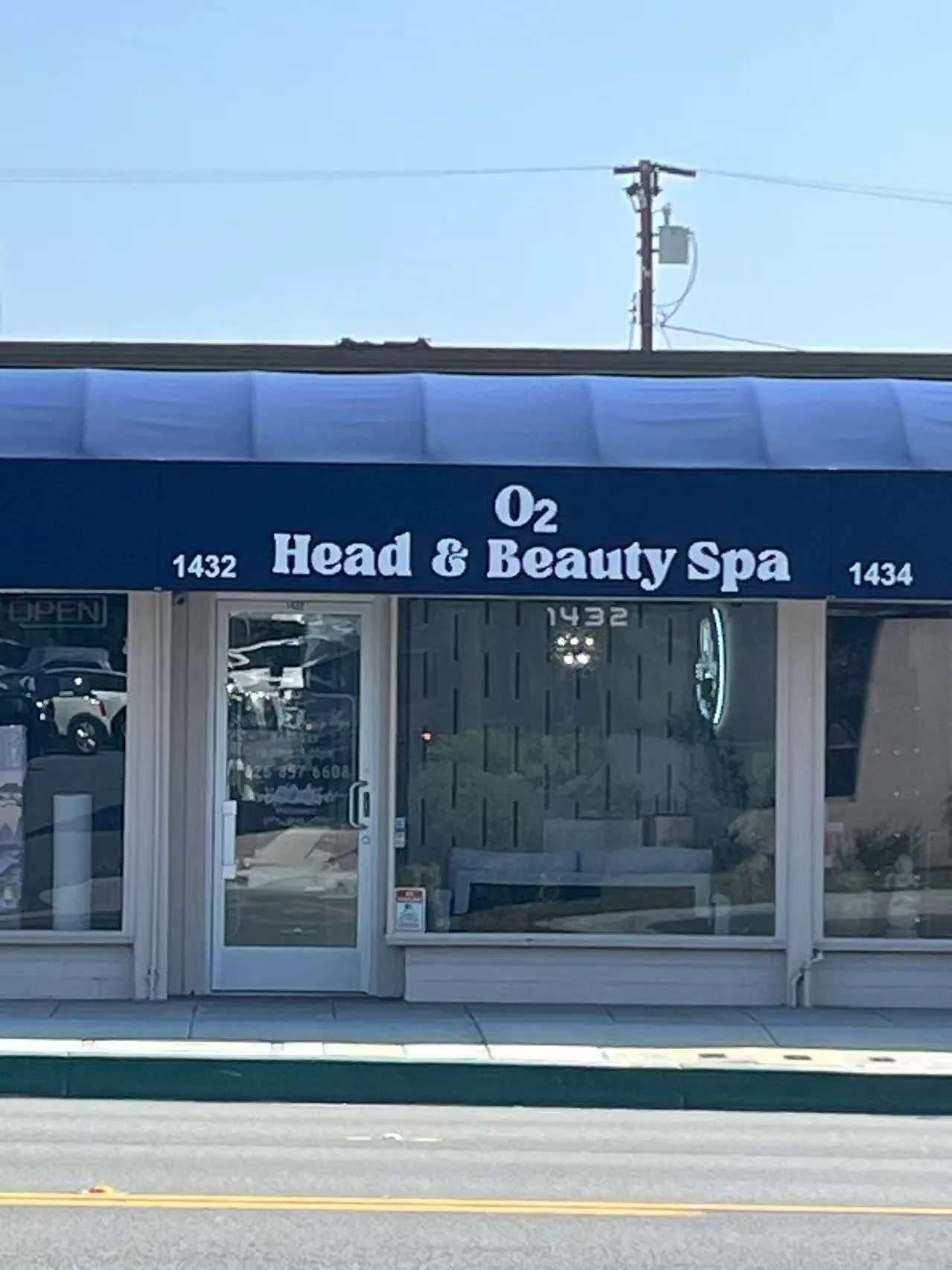
O2 Head & Beauty Spa · 1432 S Baldwin Ave, Arcadia, CA 91007 · (626) 857-6608 · Open daily 10 AM – 8 PM.
Keep reading
Does massage help back pain?
The Cochrane numbers, the guideline verdicts and how long a session should run.
Read
Tui na and acupressure
Traditional Chinese bodywork and acupressure, and what the studies show.
Read
Relaxation techniques between visits
Evidence-backed methods, including progressive muscle relaxation, to use at home.
Read