
Evidence Check
Massage for sleep: does it help, and how much?
The trials are mixed: massage calms a body that won't settle, but direct proof that it deepens sleep is thin. Here is where the evidence lands, and what to do tonight.
The short answer
Sometimes, modestly. Massage for sleep helped in a 40-patient post-surgery trial and one fibromyalgia study, but a meta-analysis of 9 trials and 404 patients found no significant sleep benefit. Its stronger evidence is calming the anxiety and heart rate that keep you awake, so treat 60 minutes of massage as a wind-down aid, not an insomnia cure.
- named sleep disorders, per the NCCIH
- 70+
- the nightly minimum adults need
- 7–8 hours
- in the 9-trial meta-analysis that found no sleep gain
- 404 patients
- of better sleep in the 40-patient bypass trial
- 3 nights
- how long one fibromyalgia sleep gain held
- 6 months
- in a progressive-relaxation trial for menopausal insomnia
- 108 women
Is your sleep problem one a massage can reach?
Only if the problem is a body and mind that won't settle at bedtime. The National Center for Complementary and Integrative Health (NCCIH) counts more than 70 sleep disorders and draws a plain line: some people who feel tired during the day have a true sleep disorder, while for others the problem is not allowing enough time to sleep. Adults need at least 7 to 8 hours a night, and no massage makes up for a schedule that leaves room for six.
That narrows what massage for sleep can do. The evidence falls into three parts: mixed results on sleep itself, stronger results on the stress and arousal that keep people awake, and plain habits that outrank both. If you enjoy an evening massage or head spa session, keep it, and be clear about what it is doing for you.
What do the trials on massage for sleep show?
Two positive trials and one negative meta-analysis. The American Massage Therapy Association lists quality of sleep among the outcomes research suggests massage can help, and its sources do not all point the same way.
Poor sleep is common after coronary artery bypass graft surgery, and a randomized trial of 40 patients recovering from it tested whether massage helps. The massage group reported more effective sleep on all 3 measured nights, and fewer complaints of fatigue on the first 2 days, than the control group.
A randomized controlled trial in fibromyalgia used myofascial release massage over 20 weeks. Sleep quality improved right after treatment and again at 1 month, and at the 6-month mark the sleep quality index was the only measure still separating the massage group from the placebo group.
The larger study pool points the other way. A 2014 systematic review and meta-analysis pooled 9 randomized trials in fibromyalgia covering 404 patients. Massage lasting 5 weeks or longer improved pain, anxiety and depression, but its effect on sleep disturbance was small and not statistically significant. Within one condition, then, a single trial shows a lasting sleep benefit and a pooled analysis does not, and together they mark the limits of what you can fairly expect.
A survey of families raising children with cerebral palsy adds context rather than proof: most parents used massage for muscle relaxation, for quality of life and to help their children sleep. People reach for massage at bedtime whether or not the trials back them.
One well-run trial found a sleep gain that held for 6 months; a pooled analysis of 9 trials found none. Both results stand.
Why might a massage still leave you sleepier?
Because massage is better documented at calming the body than at producing sleep, and a racing pulse and a busy mind keep many people awake. A 2004 meta-analysis of 37 studies found a single session lowered state anxiety, blood pressure and heart rate, with a full course producing larger effects on trait anxiety and depression. Our guide to massage for stress and anxiety walks through that evidence. A pilot study on a young-adult psychiatric inpatient unit recorded significant drops in self-reported anxiety, resting heart rate and salivary cortisol right after sessions, and a workplace study found a 15-minute on-site chair massage lowered both systolic and diastolic blood pressure.
Mayo Clinic lists massage among its relaxation techniques and says relaxation techniques can slow heart rate, lower blood pressure, slow breathing, ease muscle tension and improve sleep quality. That makes a calmer body at bedtime a plausible route to better rest. What is missing is large, direct proof that a bedtime massage produces more or deeper sleep.
There is also a time limit. In the same meta-analysis, single sessions changed state anxiety and heart rate, while lower depression and trait anxiety needed a course of treatment. One evening session has earned one calmer evening, and the studies stop there.
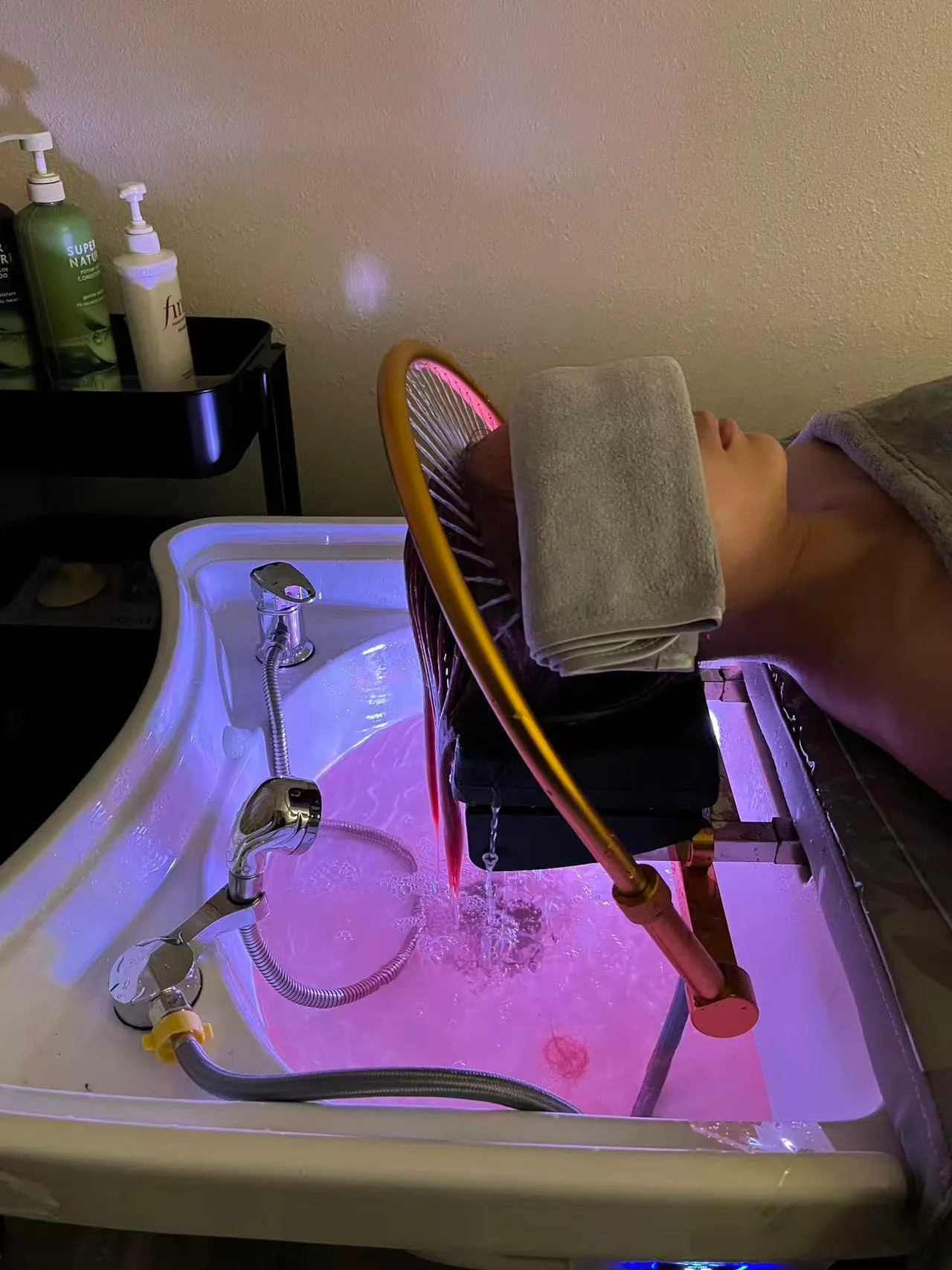
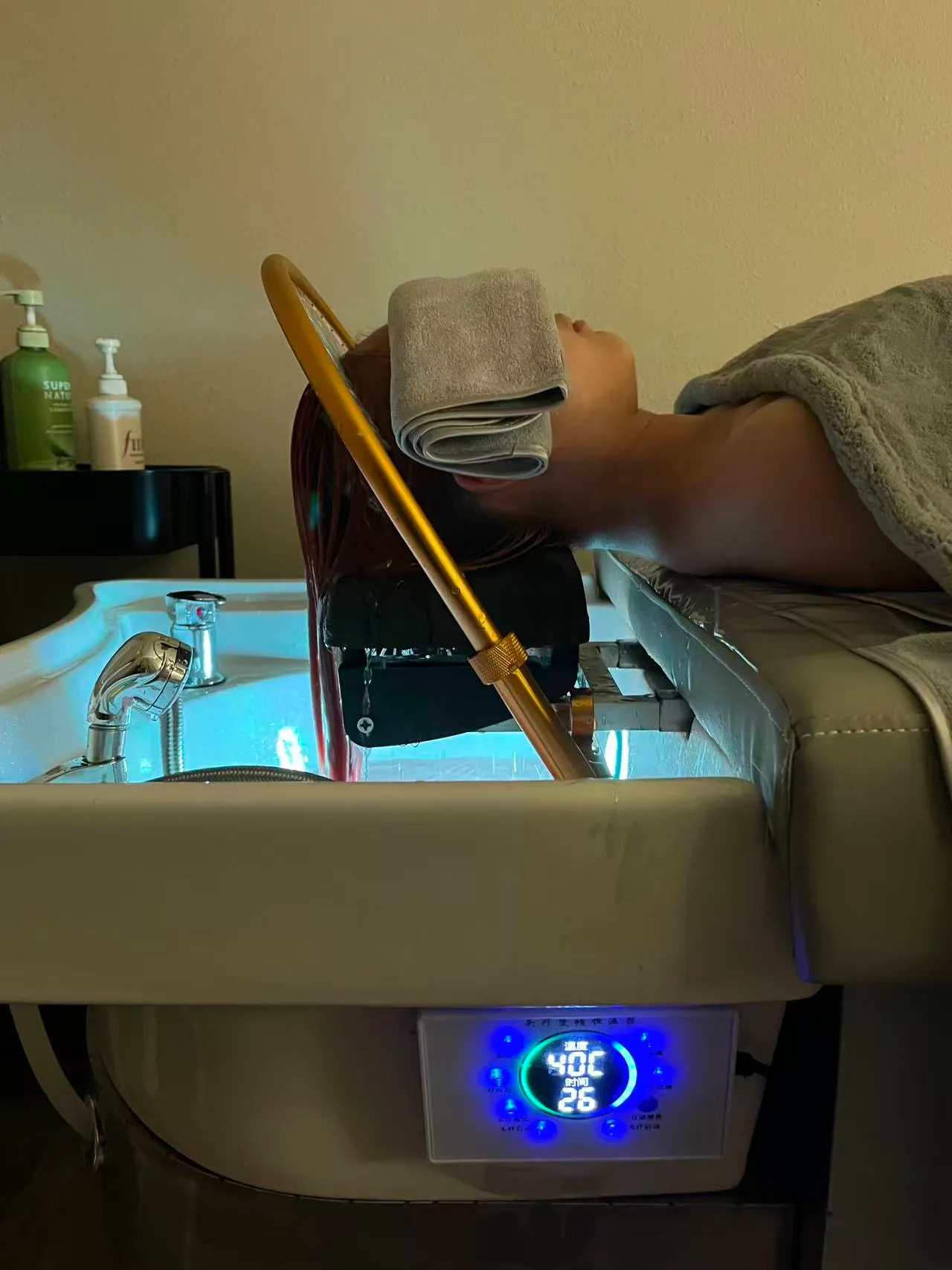
A head spa session at O2 uses similar ingredients in a different form: you lie back while your scalp, neck, shoulders and arms are massaged, with aromatherapy oil, a warm waterfall rinse and nano steam. It has not been tested as a sleep aid, so treat it the way the evidence treats massage, as something that may help you wind down on the evening you have it.
A single massage may settle you for one evening. Whether the calm carries to the next night or the next week, these studies do not establish.
Do relaxation techniques help sleep more than massage?
They have a little more direct evidence. The NCCIH points to 2 randomized trials: in 108 women, progressive relaxation may help with insomnia during menopause, and in 161 postmenopausal women, training in progressive relaxation plus good sleep habits helped with insomnia. Used on their own for chronic insomnia, relaxation techniques have what the center calls a small amount of low-quality evidence behind them.
The most strongly recommended treatment for insomnia, per the NCCIH, is multicomponent cognitive behavioral therapy for insomnia (CBT-I), which often includes progressive relaxation, abdominal breathing and guided imagery. Relaxation is one component of that treatment, and massage sits well behind it.
Mayo Clinic treats relaxation as a skill that improves with practice and describes the techniques in enough detail to try tonight. We collect the ones worth practicing in our guide to relaxation techniques between spa visits. Three to start with:
- Progressive muscle relaxation: tense each muscle group for about 5 seconds, then relax for 30, working from your toes up to your neck and head (or the reverse), in a quiet room.
- Autogenic relaxation: pair visual imagery with body awareness, repeating calming suggestions to yourself while slowing your breathing.
- Visualization: build a detailed mental picture of a calm place, pulling in smell, sound and touch.
Which sleep habits matter more than any massage?
The plain ones, and none of them needs an appointment. The NCCIH frames relaxation before bed as one part of a wider sleep strategy: keep a consistent sleep schedule; avoid caffeine, nicotine, alcohol, large meals, strenuous exercise and bright light from a TV, computer or phone too close to bedtime; spend time outside every day; and sleep in a quiet, cool, dark room.
Too little sleep slows thinking and reaction time, makes you irritable and raises injury risk, and the NCCIH says it may increase the risk of obesity, heart disease, diabetes, high blood pressure and depression. A poor sleep pattern has been associated with decreased life expectancy. Against that, the extra benefit of bodywork is small.
Some problems need a clinician. For obstructive sleep apnea, a 2019 review found conventional lifestyle changes (diet, exercise, good sleep habits, and stopping tobacco and alcohol) may help, with weight loss through diet and exercise most effective for men with moderate-to-severe disease. No massage touches the breathing pauses that break up apnea sleep.
How does massage compare with other natural sleep aids?
Its sleep evidence is about as modest as most alternatives, and its safety record is better than the supplements'. A 2022 review of 13 studies and 1,007 adults found listening to music may improve reported sleep quality in people with insomnia, though gains in falling asleep and staying asleep were slight. Aromatherapy looked promising in a 2021 review of 16 studies, whose authors asked for larger, more rigorous trials. Mindfulness fared worse: two clinical practice guidelines found too little evidence to recommend it for insomnia, and a 2022 review of 20 studies suggested mindfulness-based stress reduction may be ineffective for sleep quality, in trials its authors flagged as small and biased.
The supplement aisle calls for more caution. There is no conclusive trial evidence that chamomile helps. Valerian has produced inconsistent results, and a 2017 American Academy of Sleep Medicine guideline recommended against it for chronic insomnia. Kava has been linked to liver injury that is sometimes serious or even fatal. Magnesium evidence is conflicting and low quality, and high intakes can cause diarrhea, nausea and cramping, with extremely high intakes risking irregular heartbeat and cardiac arrest.
Massage compares well on safety: the studies the AMTA cites routinely report no adverse effects, and where they do, the rate is low. Mixed evidence with a good safety record is a better place to start than weak evidence with liver risk. A head spa session with aromatherapy oil massage, such as Package D, combines two approaches from this list, though nobody has tested that combination for sleep.
| Approach | Evidence for sleep | The catch |
|---|---|---|
| Massage | Mixed: gains in a post-surgery trial and one fibromyalgia trial; a 9-trial meta-analysis (404 patients) found none | Direct sleep proof is thin; adverse effects rare |
| Music listening | May improve reported sleep quality (2022 review of 13 studies, 1,007 adults) | Gains in falling and staying asleep were slight |
| Aromatherapy | Promising in a 2021 review of 16 studies | Researchers called for larger, more rigorous trials |
| Mindfulness (MBSR) | Two clinical practice guidelines found too little evidence to recommend it; a 2022 review of 20 studies suggested it may be ineffective for sleep quality | Underlying studies flagged as small and biased |
| Yoga and tai chi | Small-to-moderate effects on sleep quality in some groups, especially older adults | Guidelines call the evidence insufficient either way |
| Valerian, kava, magnesium | Inconsistent (valerian) to conflicting and low quality (magnesium); nothing conclusive | 2017 AASM guideline against valerian; kava linked to serious liver injury; high-dose magnesium risks |
What can you expect, and what can you do tonight?
Expect a calmer evening rather than a fix for insomnia. Massage for sleep has decent indirect evidence, through lower stress, anxiety and arousal, and limited, mixed evidence on sleep itself: real gains after bypass surgery and in one fibromyalgia trial, none in the fibromyalgia meta-analysis.
Use it as an add-on. If a late head spa session helps you wind down, pair it with a free relaxation technique at bedtime and the sleep habits above. O2 closes at 8 PM every day, so ask the front desk for the latest start time if you want the session to lead into your evening. If you snore loudly, gasp at night, or drag through the day despite enough hours in bed, see a clinician: untreated apnea and chronic insomnia need real treatment, and for insomnia that treatment is CBT-I.
The NCCIH's rule of thumb covers all of it: "natural" does not always mean safe, so tell your health care providers about any complementary approach you use and decide together.
The wind-down sequence the evidence supports, in order:
- Book the session as late as suits you and treat it as the start of the wind-down: a relaxation aid, not a sleep treatment.
- Keep the lights low afterward and stay off bright screens (TV, computer, phone) for the rest of the evening.
- Make the bedroom quiet, cool and dark, and leave the phone outside it.
- In bed, run one relaxation technique from the list above, such as progressive muscle relaxation.
- Keep a consistent bedtime and wake time. If you still snore loudly, gasp at night or drag through the day, book a clinician rather than another spa session.
Questions people ask
Does a massage before bed improve sleep?
Sometimes, modestly. In a 40-patient bypass-surgery trial the massage group reported more effective sleep across 3 measured nights, and a fibromyalgia trial found sleep gains that still held at 6 months. A meta-analysis of 9 fibromyalgia trials covering 404 patients found no significant improvement in sleep disturbance.
If the sleep evidence is mixed, why book a massage at all?
Because its stronger evidence targets what keeps people awake. A meta-analysis of 37 studies found a single session lowers state anxiety, heart rate and blood pressure, which makes a calmer body at bedtime a plausible route to better rest, even without direct proof of deeper sleep.
Can a head spa help you sleep?
It may help you wind down. A head spa session is mostly scalp, neck, shoulder and arm massage while you lie back, with aromatherapy oil, a warm-water rinse and steam, so it shares the calming ingredients of massage. It has not been tested as a sleep treatment and does not treat insomnia.
What is the best-supported treatment for chronic insomnia?
Multicomponent cognitive behavioral therapy for insomnia, or CBT-I, which the NCCIH calls the most strongly recommended treatment. It often folds in progressive relaxation, abdominal breathing and guided imagery. Massage and standalone relaxation techniques sit well behind it in the evidence.
Are sleep supplements a safer choice than massage?
Generally no. A 2017 American Academy of Sleep Medicine guideline recommended against valerian for chronic insomnia, kava has been linked to serious and sometimes fatal liver injury, and high magnesium intakes can cause diarrhea, nausea and cramping. The massage studies the AMTA cites routinely report no adverse effects.
When is poor sleep a reason to see a doctor instead?
If you snore loudly, make gasping or snorting sounds your bed partner notices, or fight off sleepiness during the day, the NCCIH lists those as warning signs of sleep apnea. They are reasons to see a health care provider, since no massage addresses the breathing pauses that break up apnea sleep.
Sources
- National Center for Complementary and Integrative Health — Sleep Disorders and Complementary Health Approaches
- Li et al. (2014), PLoS One — Massage therapy for fibromyalgia: a systematic review and meta-analysis
- Moyer, Rounds & Hannum (2004), Psychological Bulletin — A meta-analysis of massage therapy research
- American Massage Therapy Association — Massage Can Improve Health and Wellness
- Mayo Clinic — Relaxation techniques: Try these steps to lower stress
Written and fact-checked by the O2 Head Spa editorial team against the primary sources above. Menu details and prices are taken from our live booking page.
This guide is for general education only and is not medical advice. Talk with a licensed healthcare provider about what is right for you.
Wind down before bed
In Arcadia? Book it at our Baldwin Avenue studio.
A late Package D can be one of the last things on your calendar: 60 minutes lying back for an aromatherapy oil massage, head, neck, shoulder and arm massage, a waterfall rinse and nano steam. It is $156 regular or $78 at the member rate. Treat it as a wind-down aid rather than a sleep treatment; a regular bedtime and a dark, cool room still matter more.
O2 Head & Beauty Spa · 1432 S Baldwin Ave, Arcadia, CA 91007 · (626) 857-6608 · Open daily 10 AM – 8 PM.
Keep reading
Massage for stress and anxiety
What one session reliably changes, and the cortisol claim it can't back.
Read
Relaxation techniques for bedtime
Progressive relaxation and breathing you can practice tonight, free.
Read
Package D · Classic Scalp Treatment
60 minutes lying back: oil massage, waterfall rinse and nano steam.
Read