
Evidence Check
Does massage help back pain? What the studies show
The research on back and neck pain points to relief that is real but modest and mostly short-term. Here is what the major reviews found, how long a session needs to run, and where massage fits next to medical care.
The short answer
Does massage help back pain? Yes, modestly and mostly for the short term. A 2015 Cochrane review of 25 studies (3,096 patients) found less low-back pain right after treatment, on low-quality evidence, with no established long-term effect. For chronic neck pain, sessions of 60 minutes two or three times a week helped where 30 minute sessions did not.
- pooled in the 2015 Cochrane review of low-back pain
- 25 studies
- in those trials; relief was real but short-term
- 3,096 patients
- session length that beat shorter massages for neck pain
- 60 minutes
- in the 2011 trial: relaxation massage matched structural
- 401 adults
- across 12 neck and shoulder studies reviewed in 2013
- 757 participants
- of U.S. adults got a massage in 2022
- 10.9%
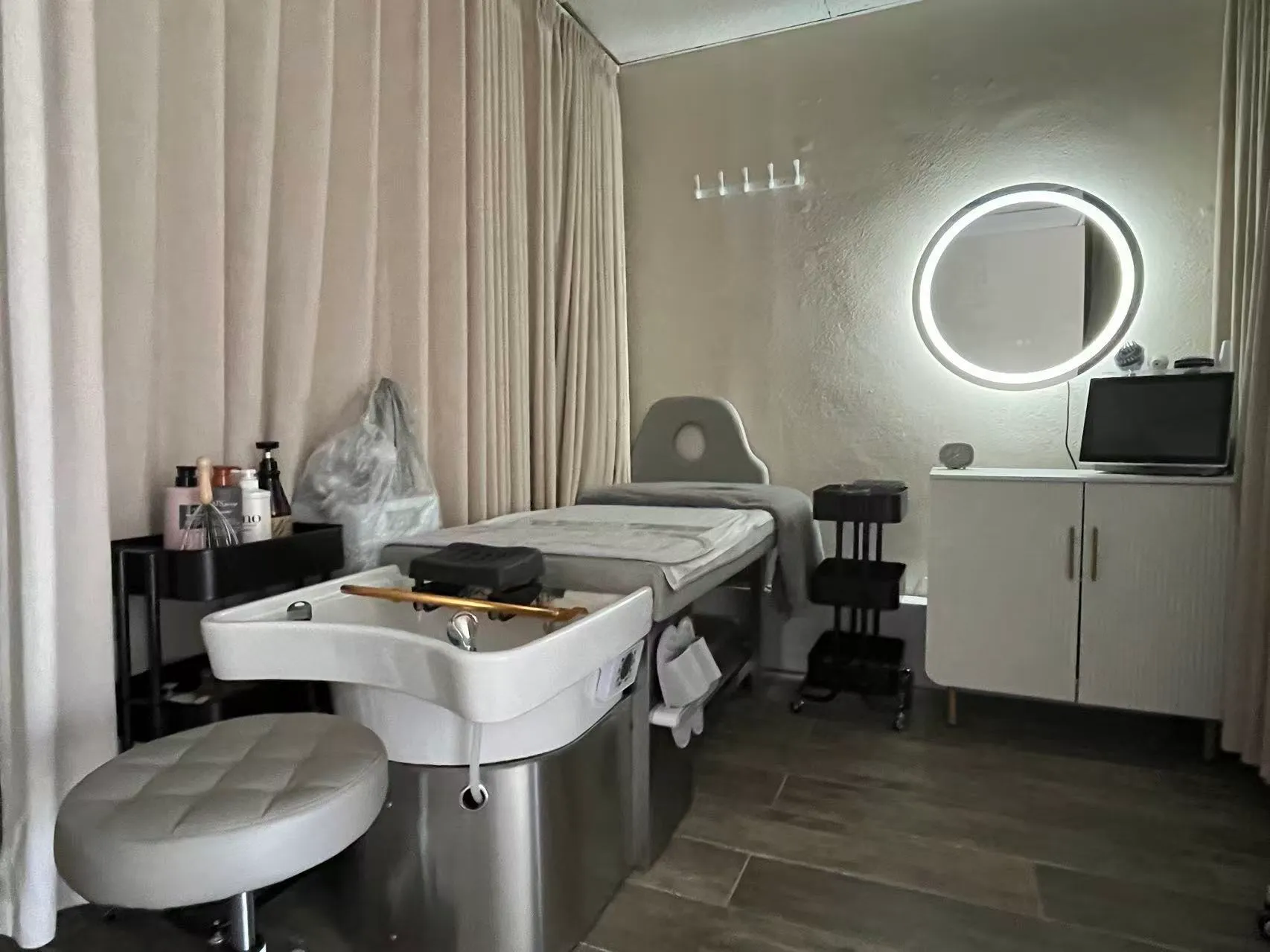
Does massage help back pain? The short answer
Does massage help back pain? It can ease pain for days or weeks after treatment, and the evidence behind even that is weak. In 2015 a Cochrane team pooled 25 studies of massage for low-back pain, 3,096 patients in all, in a review summarized by the National Center for Complementary and Integrative Health (NCCIH). Patients reported less pain shortly after treatment, but the studies were of such low quality that the reviewers had "very little confidence" that massage is an effective treatment for low-back pain.
Plenty of people want to know: national survey data cited by NCCIH show that 10.9 percent of U.S. adults had a massage in 2022, more than double the 4.8 percent recorded in 2002. Below: what the low-back and neck studies found, what clinical guidelines recommend, how long a session needs to run, and when to see a clinician first.
What did the low-back pain studies find?
Two large reviews found some benefit for low-back pain, and both rated the evidence low. The Agency for Healthcare Research and Quality (AHRQ), in a 2016 evaluation of nondrug therapies, examined 20 studies comparing massage with usual care or other treatments and found evidence that massage helped chronic low-back pain, with a low strength of evidence. It also looked at 6 studies comparing massage styles and found too little evidence to say whether any one style works better. The 2015 Cochrane review found short-term improvement in both acute and chronic low-back pain, again from low-quality studies. NCCIH's summary is that evaluations have found "only weak evidence that it may be helpful."
The 2011 trial of 401 adults
One better-designed trial adds detail. A 2011 randomized trial assigned 401 adults with nonspecific chronic low-back pain to structural massage, relaxation massage or usual care. At 10 weeks both massage groups had better function and fewer symptoms than the usual-care group. The relaxation group scored 2.9 points lower on the Roland Disability Questionnaire, where lower means less disability and the researchers counted a 2 point difference as clinically meaningful. The benefit to function was still there at 52 weeks, though small by then.
Structural massage, the more targeted and technical of the two, did no better than relaxation massage. The benefit did not depend on a specialized technique, which matters when you choose a session.
How long does the relief last?
Usually days or weeks. Massage tends to help in the period right after a course of treatment, and the relief fades; the 2015 Cochrane review states that the long-term effects of massage for low-back pain have not been established.
A trial cited in the American Massage Therapy Association's position statement shows the same pattern after surgery. Researchers assigned 605 veterans recovering from major operations to routine care, 20 minutes of individual attention from a massage therapist, or a back massage each evening for up to 5 days. In the massage group, pain intensity and unpleasantness fell faster over the first 4 days, and anxiety eased after each massage. Length of stay, opioid use and complications did not differ between the groups.
Short-term relief still counts during a flare-up that keeps you off your feet. Plan for it as a reset that may need repeating, and keep the treatments with longer-lasting evidence in place.
The 2015 Cochrane review found short-term relief and could not establish any long-term effect.
What do clinical guidelines say about massage for back pain?
The American College of Physicians (ACP) supports massage for recent back pain only. Its 2017 guideline on acute, subacute and chronic low-back pain included massage as an option for acute and subacute pain, based on low-quality evidence, and left it off the options for chronic low-back pain. Before booking, it helps to know which side of that line your pain sits on.
The Centers for Disease Control and Prevention (CDC) takes a wider view. Its 2022 guideline on prescribing opioids concluded that several nondrug treatments improve chronic pain and function "with small to moderate effects in specific pain conditions" and "are not associated with serious harms." It names massage, with acupuncture, mindfulness-based interventions, tai chi and yoga, among the approaches appropriate for some types of chronic pain. That supports trying massage as one part of a plan, with modest expectations.
| Source | What it found | Evidence strength |
|---|---|---|
| 2015 Cochrane review (25 studies, 3,096 patients) | Short-term pain relief for acute and chronic low-back pain; long-term effects not established | “Very little confidence” — low-quality studies |
| AHRQ 2016 evaluation (20 studies) | Massage helped chronic low-back pain | Low strength of evidence |
| ACP 2017 guideline | Option for acute and subacute low-back pain only; not listed for chronic | Low-quality evidence |
| CDC 2022 opioid guideline | Nondrug treatments, massage included, improve chronic pain and function | Small to moderate effects; not associated with serious harms |
| 2013 neck & shoulder review (12 studies, 757 participants) | Better than inactive comparisons; no better than other active treatments | Shoulder benefit short-term only |
| 2012 Cochrane neck review (15 trials) | Effectiveness for neck pain remained uncertain | No recommendations for practice possible |
Does massage help neck and shoulder pain?
Somewhat, for a short time, and only when sessions are long and frequent enough. A 2013 review of 12 studies (757 participants) found massage more helpful for neck and shoulder pain than inactive comparisons but no better than other active treatments, and the shoulder benefit was short-term only. A 2016 review of 4 U.S. studies (519 participants) found massage could bring short-term relief of neck pain if the sessions were long enough and frequent enough.
The dose question got a direct test. A 2014 trial randomized 228 people with chronic nonspecific neck pain to different amounts of massage over 4 weeks, or to a wait list. Sessions of 30 minutes did no better than the wait list, however often they were given. Sessions of 60 minutes given two or three times a week made a clinically meaningful improvement in neck function roughly 3 to 5 times as likely, and in pain about 2 to 3 times as likely.
A 2012 Cochrane review of 15 neck-pain trials reached a more cautious verdict. It concluded that no recommendations for practice could be made, because the effectiveness of massage for neck pain remained uncertain.
In the 2014 neck-pain trial, 30 minute sessions did no better than a wait list, however often they were given.
Why does massage help when it does?
No one knows for certain, and the best clue points to general relaxation rather than a mechanical fix. In the 2011 back-pain trial, structural massage did no better than relaxation massage; if a specific manipulation were correcting a specific problem, the technical version should have won. NCCIH notes that even where massage has a measurable effect, such as weight gain in premature infants, the mechanism "is not well understood."
Researchers have measured physical changes. The AMTA position statement collects studies reporting lower anxiety, blood pressure and heart rate after massage. A 2010 study of a single 45 minute massage found shifts in stress-related hormones and immune markers compared with light touch, and a 2012 study of 11 young men found that 10 minutes of massage on exercise-damaged thigh muscle reduced inflammatory signaling in the tissue.
The largest effects may be on mood. A meta-analysis of 37 studies, cited in the same statement, found massage's biggest effects were reductions in trait anxiety and depression, similar in size to the benefit of a course of psychotherapy. If massage works mainly by easing anxiety and muscle tension, that would fit the back-pain trial results, though none of these studies proves it.
Is massage safe for back pain, and where does it fit?
For most healthy adults, yes: NCCIH says the risk of harmful effects from massage "appears to be low." Its chronic-pain guidance adds that people with medical conditions and people who are pregnant may need to modify or skip some approaches.
Most of these studies tested massage as an addition to usual care. In the 2013 neck and shoulder review it beat inactive comparisons and tied with other active treatments, and the ACP lists it as one of several options for acute back pain. For chronic low-back pain the ACP points to other options, including acupuncture, tai chi, yoga and mindfulness-based stress reduction, covered in our guide to massage for chronic pain.
NCCIH's advice is direct: don't use massage to postpone seeing a clinician about a medical problem. With that in place, the research supports these steps.
- Place your pain on the acute-to-chronic line. Recent, short-lived back pain is where massage has guideline support: the 2017 ACP guideline lists it for acute and subacute pain only.
- Set expectations to match. For chronic pain, aim for "this may help me feel better for a while," and keep the approaches with longer-term evidence in your plan.
- Book enough time. The effective dose in the 2014 neck trial was 60 minutes, two or three times a week, for 4 weeks. At O2 Head & Beauty Spa in Arcadia, both pain relief sessions run 60 minutes.
- Tell whoever manages your pain that you are trying massage, especially if you have a condition that raises your risk during bodywork.
Questions people ask
Does massage really help low-back pain?
Modestly and briefly. A 2015 Cochrane review of 25 studies (3,096 patients) found less pain shortly after treatment, but the studies were low quality and long-term effects have not been established. A 2016 AHRQ evaluation of 20 studies found massage helped chronic low-back pain, on low-strength evidence.
How long and how often should massage sessions be for neck pain?
In a 2014 trial of 228 people with chronic neck pain, 30 minute sessions did no better than a wait list at any frequency. Sessions of 60 minutes two or three times a week for 4 weeks made a meaningful improvement in neck function roughly 3 to 5 times as likely.
Is a firmer, more targeted massage better for back pain?
Not in the best-designed trial. In a 2011 study of 401 adults with chronic low-back pain, structural massage did no better than relaxation massage, and both beat usual care at 10 weeks. You do not need the firmest or most technical session to get the benefit.
Is massage safe for back and neck pain?
Generally, yes. NCCIH says the risk of harmful effects appears to be low; rare serious harms such as blood clots, nerve injury and fractures have involved vigorous techniques or people at higher risk of injury, such as older adults. If you are pregnant or have a medical condition, check with your clinician first.
Will massage cure chronic back pain?
No. The 2017 American College of Physicians guideline lists massage only for acute and subacute low-back pain and leaves it off the chronic list. For chronic pain, expect short-term relief at best and keep approaches with longer-term evidence, such as acupuncture, tai chi or yoga, in your plan.
How much is a pain relief massage at O2 Head & Beauty Spa?
Both 60 minute pain relief sessions in Arcadia have two rates: Targeted Treatment is $120 regular or $80 at the member rate, and Full-Body Treatment is $188 regular or $90 member. Device-assisted Quan Tong therapy runs 45 minutes ($129 regular, $99 member) or 90 minutes ($258 regular, $139 member). Ask the front desk how membership works.
Sources
- NCCIH — Massage Therapy: What You Need To Know
- NCCIH — Massage Therapy for Health: What the Science Says
- NCCIH — Chronic Pain and Complementary Health Approaches: Usefulness and Safety
- AMTA — Massage Can Improve Health and Wellness
- Cherkin et al., 2011 — Two types of massage vs usual care for chronic low back pain (PubMed)
- Sherman et al., 2014 — Dosing trial of massage for chronic neck pain (PubMed)
Written and fact-checked by the O2 Head Spa editorial team against the primary sources above. Menu details and prices are taken from our live booking page.
This guide is for general education only and is not medical advice. Talk with a licensed healthcare provider about what is right for you.
From the research to the treatment room
In Arcadia? Book it at our Baldwin Avenue studio.
The neck-pain dosing trial found that repeated 60 minute sessions made the difference. Our two 60 minute pain relief sessions are Targeted Treatment ($120 regular, $80 member) and Full-Body Treatment ($188 regular, $90 member). Massage may take the edge off a bad stretch; pain that persists still needs a clinician.
O2 Head & Beauty Spa · 1432 S Baldwin Ave, Arcadia, CA 91007 · (626) 857-6608 · Open daily 10 AM – 8 PM.
Keep reading
Massage for chronic pain
Where massage, acupuncture and tai chi fit, and which popular options the evidence does not support.
Read
Tension headache self-care
What the research says about easing the most common headache.
Read
Targeted Treatment, 60 minutes
The pain relief session for one problem area; Full-Body Treatment covers the whole body.
Read