
Self-Care
Relaxation techniques that hold up between spa visits
The calm from a head spa, facial or massage tends to fade by the next busy morning. The relaxation response behind it can be practiced at home. Here are the 4 methods Mayo Clinic describes, how to do each one, and what a 60-person trial found when it tested three of them.
The short answer
Relaxation techniques can trigger the same relaxation response a head spa or massage can bring on: a slower heart rate, lower blood pressure and fewer stress hormones. Belly breathing, progressive muscle relaxation and guided imagery all promoted relaxation in a 2021 trial of 60 students. A few minutes most days can carry that calm between 60 minute spa sessions.
- in the 2021 trial where breathing, muscle relaxation and imagery all promoted relaxation
- 60 students
- of tensing per muscle group in Mayo Clinic's progressive relaxation script
- 5 seconds
- of release after each tense, the step people rush
- 30 seconds
- on Mayo Clinic's list of relaxation methods, including massage, aromatherapy and hydrotherapy
- 9 others
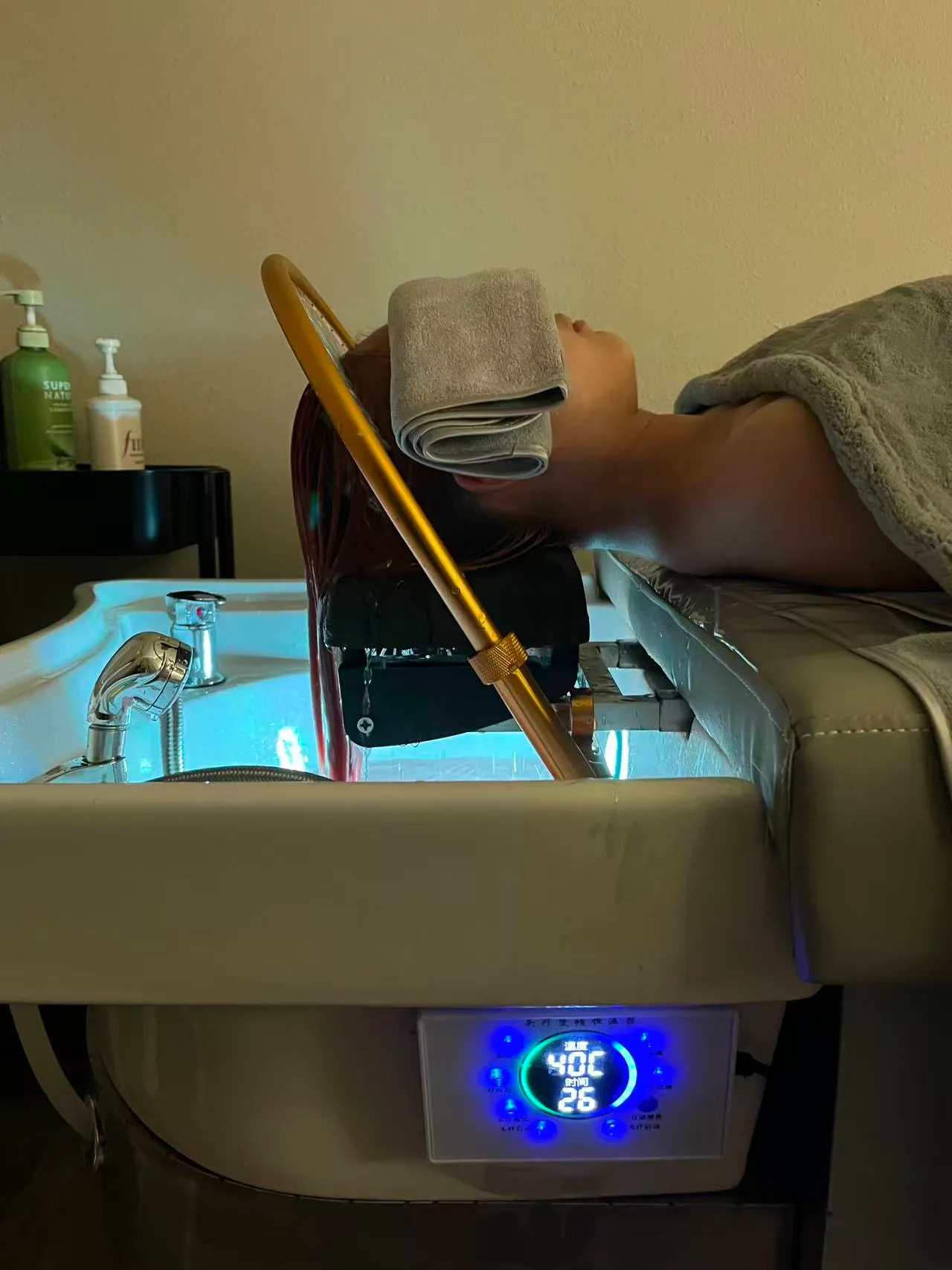
What do relaxation techniques do?
Relaxation techniques switch on the relaxation response, the body's built-in counter to stress. The National Center for Complementary and Integrative Health (NCCIH) describes it as the physiological opposite of fight-or-flight: it slows the heart rate, lowers blood pressure, and decreases oxygen consumption and levels of stress hormones. A head spa, a facial or a pain relief massage can bring on that state for an hour. The methods below let you bring it on again at home, with no appointment.
Stress pushes the other way. NCCIH describes it as a physical and emotional reaction that releases the hormones behind fight-or-flight: heart rate, breathing rate and blood pressure go up, muscles tense, and you sweat more. Occasional stress is a normal part of life, and NCCIH says the long-term kind is the concern, since it may contribute to or worsen digestive disorders, headaches and sleep disorders and has been linked to depression and anxiety.
Spa treatments appear on the same list as the home methods. Mayo Clinic names 9 other relaxation methods next to its main techniques, and massage, aromatherapy and hydrotherapy are 3 of them. All three are part of O2's Package D head spa, as an aromatherapy oil massage and a waterfall hydrotherapy rinse. Mayo's list of what relaxation techniques can do includes a slower heart rate and breathing rate, lower blood pressure, better digestion, eased muscle tension and chronic pain, and better focus, mood and sleep quality.
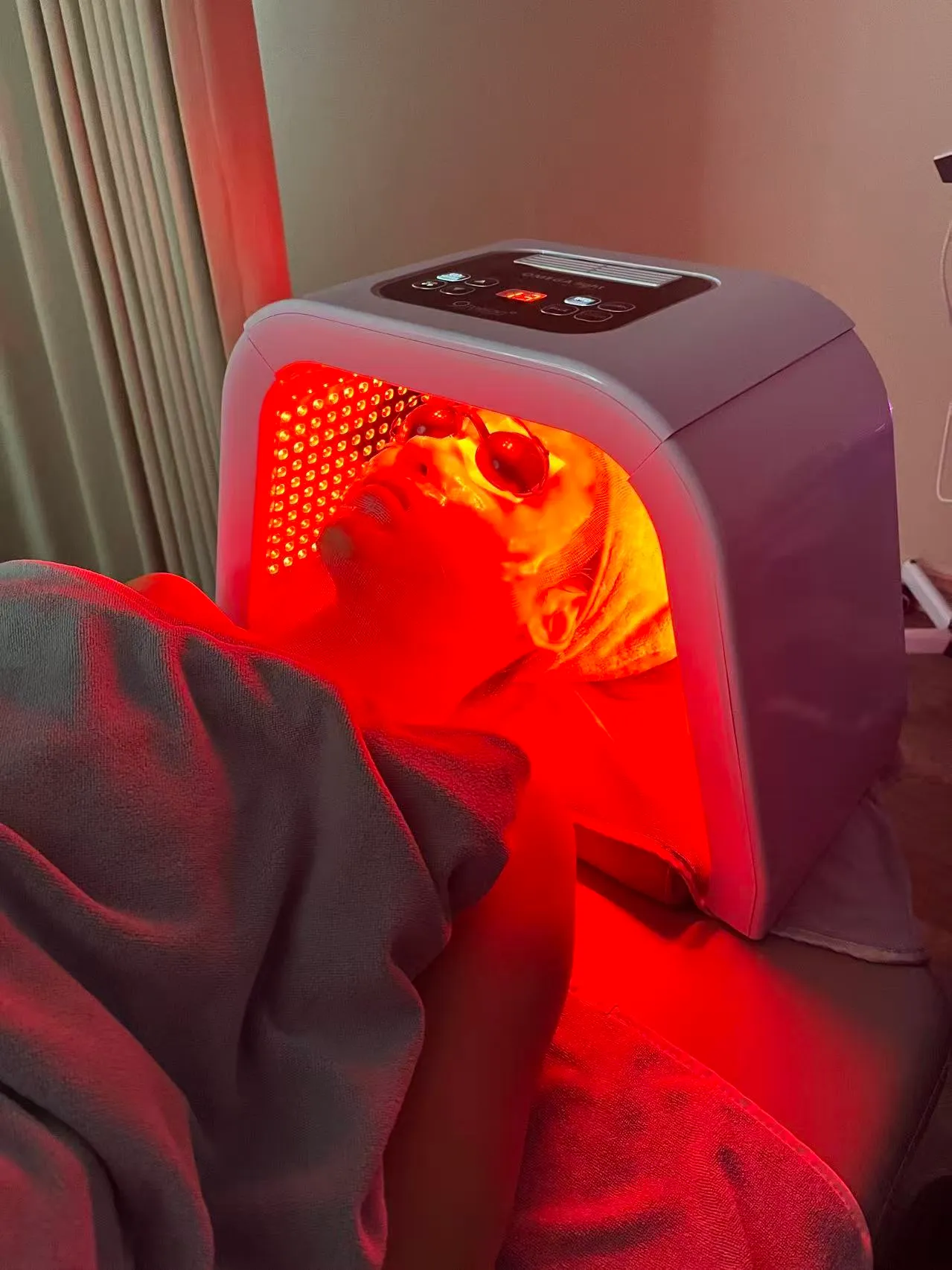
How do you do belly breathing?
Sit or lie somewhere quiet, put one hand on your belly, and breathe so that hand rises and falls while your shoulders stay still. Let each exhale run a little longer than the inhale. Start with 2 minutes; it needs no app and no equipment, which makes it the easiest method on Mayo Clinic's list to fit into a day.
The research behind it is real but small. NCCIH's stress page cites a 2005 study by Joseph and colleagues in the journal Hypertension, which found that slow breathing improved arterial baroreflex sensitivity and lowered blood pressure in people with essential hypertension.
The most direct comparison is a 2021 randomized trial by Toussaint and colleagues with 60 healthy undergraduates. Deep breathing, progressive muscle relaxation and guided imagery each raised self-rated relaxation more than a control condition. Breathing behaved differently in the body: skin conductance, a measure of arousal, first rose and then returned to baseline, while the other two methods brought it down steadily. The participants were young and healthy and the sessions were short, so the trial shows the methods relax people in the moment and says little about long-term health.
How does progressive muscle relaxation work?
Progressive muscle relaxation has you tense each muscle group and then let it go, so you learn to feel the difference between tension and release. Mayo Clinic recommends doing it in a quiet area without interruptions. It suits people who find "just relax" useless as an instruction, because it gives the body a specific job.
Mayo's script is precise: tense for about 5 seconds, relax for 30 seconds, and repeat, working from the toes up to the neck and head. You can also reverse the order and start at the head. The long release is where most people cut corners. In the Toussaint trial, this was one of the two methods that brought skin conductance down steadily across the session. Step by step:
- Find a quiet spot where you won't be interrupted, and sit or lie down.
- Start at your toes and tense the muscles for about 5 seconds.
- Release, and stay relaxed for a full 30 seconds.
- Move to the next muscle group and repeat, working up to your neck and head (or from the head down).
What are visualization and autogenic relaxation?
Both start in the mind. Visualization means building a detailed mental picture of a calm place and spending a few minutes in it. Mayo Clinic suggests using as many senses as you can; its own example is the ocean, with the smell of salt water, the sound of crashing waves and the warm sun on your skin. Close your eyes, sit somewhere quiet, loosen tight clothing and keep your attention on the scene.
Autogenic means self-generated. Mayo describes autogenic relaxation as pairing visual imagery with body awareness: you repeat calming words in your mind and focus on slowing your breathing or heart rate, or on relaxing each arm and leg in turn. Guided imagery, its close relative, raised self-rated relaxation as much as breathing and muscle relaxation did in the 2021 trial.
Imagery asks more of you at first, and a wandering mind in the first few sessions is common. For the quickest result, start with breathing or muscle relaxation and add imagery once sitting still feels familiar.
| Technique | How to do it | What the research shows |
|---|---|---|
| Belly breathing | Hand on the belly, slow exhale, about 2 minutes to start | Raised self-rated relaxation in a 60-person trial (Toussaint 2021); slow breathing lowered blood pressure in hypertension (Joseph 2005) |
| Progressive muscle relaxation | Tense each muscle group about 5 seconds, release for 30, toes to head | Raised relaxation and steadily lowered skin conductance (Toussaint 2021) |
| Visualization | A detailed calm scene, using as many senses as possible | Guided imagery raised relaxation and steadily lowered skin conductance (Toussaint 2021) |
| Autogenic relaxation | Repeated calming words plus body awareness, one limb at a time | Described by Mayo Clinic; not tested directly in the studies above |
How long before relaxation techniques start working?
Expect a few weeks of short, regular practice before the response comes easily. Mayo Clinic calls relaxation techniques skills and says your ability to relax improves with practice. Its advice is to be patient, to try another technique if one doesn't suit you, and to talk to a healthcare professional if none of them eases your stress.
The payoff Mayo describes is early warning. With practice you get better at noticing the first physical signs of stress, such as muscle tension or shallow breathing, and you can use a technique right then, before stress builds. This is where a spa visit and home practice fit together: the visit shows you what deep relaxation feels like, and the practice teaches you to find it again on an ordinary weekday.
Mayo Clinic notes these techniques are often free or low cost and can be done almost anywhere. The simplest way to keep a routine going is to attach it to something you already do. (For what the research says about touch and rest, see our massage and sleep guide.)
- 3 minutes of belly breathing before you open your laptop.
- A round of progressive muscle relaxation in bed, which fits the better sleep quality Mayo lists among the benefits.
- A short visualization while the kettle boils or the car warms up.
Are relaxation techniques safe?
For most healthy people, yes. NCCIH says relaxation techniques are generally considered safe for healthy people and that most research studies have reported no negative side effects. Its fact sheet on mind and body practices, which covers 7 examples from acupuncture and massage therapy to tai chi and yoga, says they generally have good safety records when done properly by a trained professional or taught by a well-qualified instructor.
NCCIH also lists the exceptions. People occasionally report increased anxiety, intrusive thoughts or fear of losing control, and there have been rare reports that certain techniques might cause or worsen symptoms in people with epilepsy, certain psychiatric conditions, or a history of abuse or trauma. A medical condition or a circumstance such as pregnancy can also change what is safe for you.
None of this replaces medical care. If you have high blood pressure, NCCIH says to follow the treatment plan your health care provider prescribed. Tell your provider about any complementary approach you add, and if stress symptoms persist or get worse, see a clinician rather than relying on breathing exercises alone.
The most useful next step is small: pick belly breathing and do it for 3 minutes today, attached to something you already do. When you want a standing reset on the calendar, O2 Head & Beauty Spa is at 1432 S Baldwin Ave in Arcadia, open every day from 10 AM to 8 PM, and the contact page has the details.
Questions people ask
What is the relaxation response?
It is the physiological opposite of fight-or-flight. NCCIH says it slows the heart rate, lowers blood pressure, and decreases oxygen consumption and stress-hormone levels. A head spa or massage is one way into that state, and belly breathing, progressive muscle relaxation and visualization can trigger it at home.
How do I practice belly breathing?
Sit or lie somewhere quiet, put a hand on your belly and breathe so that hand rises and falls while your shoulders stay still, with a slow exhale. Start with 2 minutes. In a 2021 trial of 60 students, deep breathing raised self-rated relaxation more than a control condition.
How does progressive muscle relaxation work?
Mayo Clinic's method: in a quiet place, tense a muscle group for about 5 seconds, relax for 30 seconds, and work from your toes up to your neck and head. You can also go from head to toe. The 30-second release is the part people tend to rush.
Does a head spa count as a relaxation technique?
Mayo Clinic lists massage, aromatherapy and hydrotherapy among relaxation techniques, and a head spa combines all three. At O2, Package D runs 60 minutes and includes an aromatherapy oil massage and waterfall hydrotherapy. It works best alongside a home practice you can do on any day.
Are relaxation techniques safe?
Generally, yes. NCCIH says they are considered safe for healthy people, with no negative side effects reported in most studies. Rarely, people report increased anxiety or intrusive thoughts, and some techniques might worsen symptoms in people with epilepsy, certain psychiatric conditions or a history of trauma. If a technique causes distress, stop and talk with a professional.
How long until relaxation techniques start working?
Mayo Clinic describes them as skills that improve with practice, so plan on a few minutes most days for several weeks. Over time you get better at spotting early signs of stress and using a technique before tension builds. If nothing helps, talk to a healthcare professional.
Sources
- Mayo Clinic — Relaxation techniques: Try these steps to lower stress
- NCCIH — Stress
- NCCIH — Mind and Body Practices
- Toussaint et al. (2021) — Effectiveness of Progressive Muscle Relaxation, Deep Breathing, and Guided Imagery in Promoting Psychological and Physiological States of Relaxation
Written and fact-checked by the O2 Head Spa editorial team against the primary sources above. Menu details and prices are taken from our live booking page.
This guide is for general education only and is not medical advice. Talk with a licensed healthcare provider about what is right for you.
Anchor the habit
In Arcadia? Book it at our Baldwin Avenue studio.
Package D gives your practice a fixed point: 60 minutes of scalp analysis, aromatherapy oil massage, deep scalp cleansing, waterfall hydrotherapy and nano steam, for $156 regular or $78 at the member rate. Ask the front desk how membership works, and keep up the breathing on the days in between.
O2 Head & Beauty Spa · 1432 S Baldwin Ave, Arcadia, CA 91007 · (626) 857-6608 · Open daily 10 AM – 8 PM.