
Traditions
Tui na massage benefits: what the evidence says
Tui na is the hand-based massage of traditional Chinese medicine, and acupressure is its point-by-point relative. Trial reviews now give tui na some direct support for chronic low back pain, at low certainty. Here is what that means, and what O2's menu does and does not offer.
The short answer
Tui na massage benefits have the most support for chronic low back pain: a 2023 review of 15 trials with 1,390 patients found less pain and better function, but rated the evidence low certainty. O2 does not sell tui na; its nearest options are 60 minutes of pain relief massage or a head spa with meridian therapy.
- of tui na for chronic low back pain, pooled in a 2023 review
- 15 trials
- in that review; every outcome rated low certainty
- 1,390 patients
- in a 2026 update, which reached the same low-certainty verdict
- 21 trials
- among 75 Chinese medicine trials for neck and back pain in a 2015 review
- 0 tui na trials
- in that 2015 review; 2 large ones favored it over physical therapy
- 6 acupressure trials
- acupuncture may help, per NCCIH: low-back, neck, knee, carpal tunnel
- 4 pain types
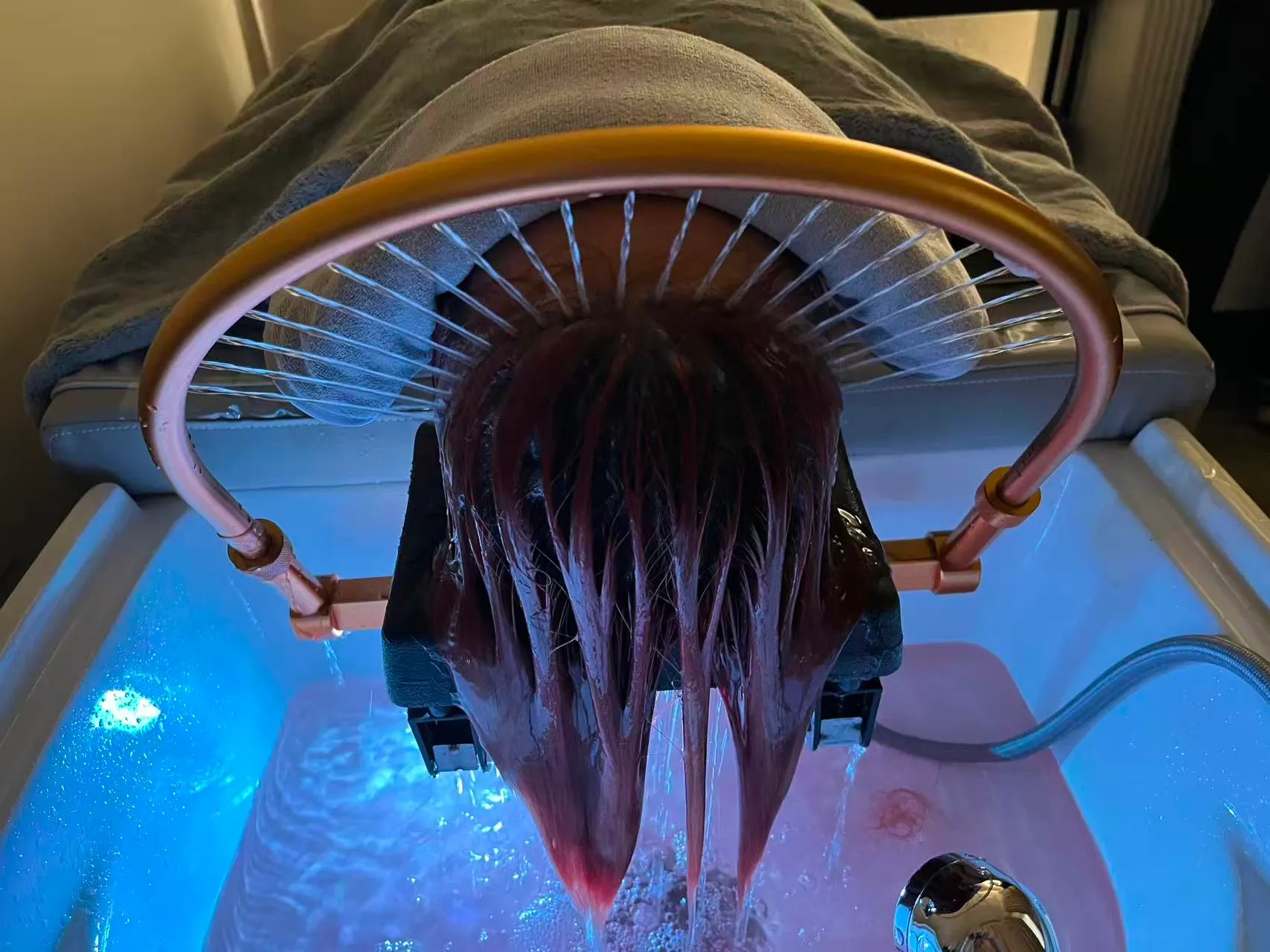
What is tui na, and what are its benefits?
Tui na is the massage branch of traditional Chinese medicine: a practitioner presses, kneads, rubs and moves the body by hand, often along the same point map acupuncture uses. The National Center for Complementary and Integrative Health (NCCIH) lists it with shiatsu among the massage traditions that come from Eastern cultures.
The tui na massage benefits with the most research behind them are less pain and better function in chronic low back pain. A 2023 review found both across 15 trials, but graded the evidence low certainty, which means the true effect could be quite different. Claims that tui na balances qi, strengthens immunity or supports organ health have no comparable trial support.
Acupressure is the closest relative: it presses and holds individual points instead of working whole muscle groups. Gua sha strokes the skin with a smooth tool, and our guide to gua sha facial benefits covers that side of the tradition.
Tui na, acupressure, gua sha and cupping: how do they differ?
They differ in what touches you and in how much each has been studied. All four belong to the hands-on side of traditional Chinese medicine, which NCCIH describes as a system that has evolved over thousands of years and also includes acupuncture, tai chi and herbal products.
Cupping is the one with the clearest list of harms. NCCIH's cupping page says it may help reduce pain but the evidence "isn't very strong," and lists persistent skin discoloration, scars, burns and infections among its side effects, along with flares of eczema or psoriasis. It comes in 2 forms: dry cupping leaves the skin intact, and wet cupping pierces it so blood flows into the cup. Rare serious events include bleeding inside the skull after cupping on the scalp and anemia after repeated wet cupping, and cups reused without sterilization can spread hepatitis B and C. O2 does not offer cupping.
Gua sha and cupping both leave temporary marks on the body. NCCIH advises explaining cupping marks to your health care providers so they are not mistaken for signs of physical abuse, and the same courtesy makes sense after body gua sha.
| Practice | What it involves | Best evidence so far |
|---|---|---|
| Tui na | Pressing, kneading, rubbing and moving the body by hand | Chronic low back pain: less pain and better function across 15 trials, low certainty (2023) |
| Acupressure | Sustained finger or thumb pressure on acupuncture points | Chronic low back pain: 2 large trials favored it over physical therapy (2015 review) |
| Gua sha | A smooth-edged tool stroked over oiled skin | Neck and back pain: 3 small trials, low-quality evidence (2015 review) |
| Cupping | Cups create suction on the skin | May help reduce pain, but NCCIH calls the evidence not very strong |
Do qi and meridians explain how it works?
Current research does not support the meridian explanation, even though it is the language most practitioners use. Traditional Chinese medicine describes health as a balanced flow of energy, called qi, along channels called meridians, and tui na, acupressure and acupuncture all choose their points from that map.
Acupuncture, the most-tested point-based therapy, is the best test of the idea. NCCIH reports 2 effects studies point to: acupuncture stimulates the release of the body's natural painkillers, and it affects brain areas involved in processing pain. It also notes that some trials find real and sham acupuncture equally effective, which indicates a placebo effect. When needling the "wrong" points, or using needles that never go in, helps about as much, the specific points matter less than the map says.
That does not make the relief imaginary. Expectation, attention and firm hands on a sore muscle all change how pain feels, through ordinary biology rather than energy channels.
What do the trials show for tui na massage benefits?
Tui na has modest, low-certainty support for chronic low back pain and very little for anything else, though the evidence has grown over the last decade.
Tui na for chronic low back pain
A 2015 review in PLoS One pooled 75 randomized trials of Chinese medicine for neck and low back pain, covering 11,077 people, and found no direct trial evidence for tui na, so it called the efficacy unknown (Yuan et al., 2015). By 2023, a review led by researchers at Mayo Clinic and Jinan University found 15 trials with 1,390 patients. Tui na reduced pain and improved function compared with control treatments, did not significantly improve quality of life, and every outcome was graded low certainty (Yang et al., 2023). A 2026 update with 21 trials and 1,612 participants reached the same low-certainty verdict (Huang et al., 2026).
Acupressure
The same 2015 review found 6 acupressure trials. Two large ones gave moderate evidence that acupressure eased chronic low back pain and disability more than physical therapy, both straight after treatment and at a later follow-up. For neck pain there was a single trial, too few to say much.
Evidence borrowed from acupuncture
NCCIH says acupuncture may help 4 often-chronic pain conditions (low-back pain, neck pain, osteoarthritis and knee pain, and carpal tunnel syndrome), may reduce how often tension headaches happen and may help prevent migraines. Those findings come from needle trials. A menu that promises acupressure or tui na will fix headaches or neck pain is borrowing them for a hands-only technique that has not been tested the same way.
Where the wider tradition stands
The evidence across traditional Chinese medicine is uneven, which is why a claim that "TCM works" says little about any one practice. Tai chi has 4 named findings on NCCIH's page: it may improve balance and stability in older people and those with Parkinson's disease, reduce knee osteoarthritis pain, help people cope with fibromyalgia and back pain, and improve mood and quality of life in people with heart failure. Chinese herbal products have been studied for stroke, heart disease, mental disorders and respiratory illnesses such as bronchitis and the common cold, but many of those studies were of poor quality, so NCCIH says no firm conclusions can be made about their effectiveness.
Is tui na safe?
For most healthy adults, hands-on bodywork carries little risk. In the 2023 tui na review only 6 of the 15 trials reported adverse events at all, and none of those were serious; the patchy reporting is a weakness in itself. NCCIH says the risk from massage therapy appears to be low, with rare reports of serious problems such as a blood clot, nerve injury or bone fracture.
The larger hazards in traditional Chinese medicine sit outside bodywork. For acupuncture, NCCIH reports relatively few complications, but nonsterile needles and poor technique have caused infections, punctured organs, collapsed lungs and injury to the central nervous system; most U.S. states require certification from the National Certification Commission for Acupuncture and Oriental Medicine. Some Chinese herbal products have been found contaminated with undeclared drugs such as the blood-thinner warfarin and the anti-inflammatory diclofenac, with heavy metals including arsenic, lead and cadmium, with pesticides, or with the wrong herbs entirely.
NCCIH's advice is to tell every health care provider about any complementary approach you use, to check with a provider first if you are pregnant or nursing or are thinking of using these practices for a child, and never to let them replace or delay conventional care.
Can you get tui na or acupressure at O2?
No. O2 Head & Beauty Spa in Arcadia does not sell a session called tui na or acupressure. Two parts of its menu come closest, and both are worth asking about before you book.
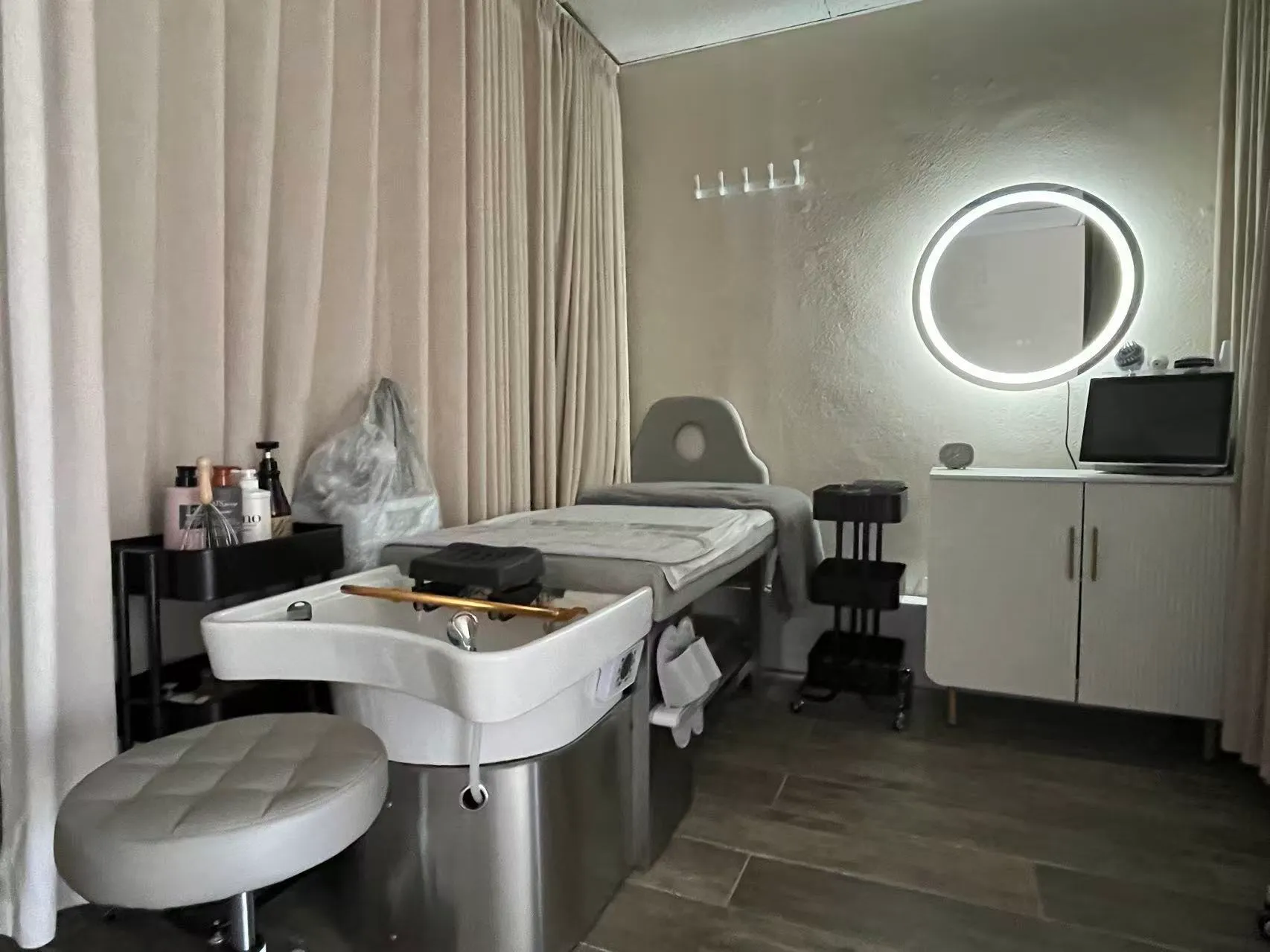
The head spa packages borrow the meridian vocabulary. Package D, the 60 minute Classic Scalp Treatment, lists "waterfall hydrotherapy and meridian therapy" alongside a head, neck, shoulder and arm massage, and every longer package builds on it. Package C (75 minutes) adds a "phototherapy meridian comb treatment." The menu does not spell out what the meridian steps involve, so ask the front desk if that matters to you.
For sore muscles, the Pain Relief Massage menu has two 60 minute sessions: a Targeted Treatment for one problem area ($120 regular, $80 member) and a Full-Body Treatment ($188 regular, $90 member). Ask the front desk how membership works. The booking page gives no technique description for either session, and it also lists device-assisted Quan Tong therapy in 45 or 90 minute sessions. If you want acupressure-style point work, ask whether it can be part of a pain relief session.
How to use this before you book
Treat tui na and acupressure as comfort care with some low-certainty support for back pain, and work through these steps in order.
- Name the goal. Relaxation, a tight neck and chronic back pain call for different sessions, and only the last has tui na trials behind it.
- Check your health first. Blood thinners, fragile bones, a recent injury, pregnancy or a history of clots are worth raising with your doctor and the therapist.
- Ask what the session involves. At O2, that means asking what "meridian therapy" covers in the head spa, or what technique a pain relief session uses.
- Keep conventional care in place. Don't let any bodywork replace or delay treatment for back pain that is severe, new, or comes with numbness or weakness.
- Tell your doctor what you use. NCCIH's simplest safety advice is to tell every provider about complementary approaches, and about herbal products most of all.
Questions people ask
What is tui na massage?
Tui na is the massage branch of traditional Chinese medicine. A practitioner presses, kneads, rubs and moves the body by hand, often following the acupuncture point map. NCCIH lists it with shiatsu among the massage traditions from Eastern cultures.
What are the benefits of tui na massage?
The best-studied benefit is less pain and better function in chronic low back pain: a 2023 review of 15 trials with 1,390 patients found both, at low certainty. Claims about qi, immunity or organ health have no comparable trial support.
Is acupressure the same as tui na?
Not quite. Acupressure holds pressure on individual points, while tui na works broader areas with kneading, rubbing and stretching. A 2015 review found moderate evidence from 2 large trials that acupressure eased chronic low back pain more than physical therapy.
Why do sham acupuncture results matter for tui na?
In some trials, sham acupuncture, with needles on the wrong points or needles that never go in, works about as well as the real thing, which NCCIH says indicates a placebo effect. That undercuts the idea that specific meridian points drive the benefit, and tui na uses the same point map.
Is tui na safe?
For most healthy adults the risk is low. Only 6 of the 15 trials in the 2023 review reported adverse events, none serious, and NCCIH lists only rare serious massage problems such as a blood clot, nerve injury or bone fracture. Check with a doctor first if you take blood thinners, have fragile bones or are recovering from an injury.
Does O2 offer tui na in Arcadia?
No. O2 Head & Beauty Spa at 1432 S Baldwin Ave, Arcadia does not list tui na or acupressure. Its head spa packages include "waterfall hydrotherapy and meridian therapy," and its Pain Relief Massage menu has 60 minute targeted and full-body sessions. Call (626) 857-6608 to ask what each one involves.
Sources
- NCCIH — Traditional Chinese Medicine: What You Need To Know
- NCCIH — Massage Therapy: What You Need To Know
- NCCIH — Cupping
- Yuan QL et al. — Traditional Chinese medicine for neck pain and low back pain: a systematic review and meta-analysis (PLoS One, 2015)
- Yang J et al. — Efficacy and safety of Tuina for chronic nonspecific low back pain: a systematic review and meta-analysis (Medicine, 2023)
- Huang B et al. — Tuina for chronic non-specific low back pain: a systematic review and meta-analysis (Complementary Therapies in Medicine, 2026)
Written and fact-checked by the O2 Head Spa editorial team against the primary sources above. Menu details and prices are taken from our live booking page.
This guide is for general education only and is not medical advice. Talk with a licensed healthcare provider about what is right for you.
Pain Relief Massage
In Arcadia? Book it at our Baldwin Avenue studio.
O2 Head & Beauty Spa does not sell tui na, but its Pain Relief Massage menu at 1432 S Baldwin Ave in Arcadia offers 60 minute targeted and full-body sessions, open daily 10 AM to 8 PM. Call (626) 857-6608 to ask what a session involves before you book.
O2 Head & Beauty Spa · 1432 S Baldwin Ave, Arcadia, CA 91007 · (626) 857-6608 · Open daily 10 AM – 8 PM.
Keep reading
Gua sha facial benefits, checked
What light jade strokes may do, the 3 key studies, and who should skip it.
Read
Massage for back pain, honestly
What the research supports when your lower back is the problem.
Read
Pain Relief Massage menu
Targeted and full-body sessions of 60 minutes, plus Quan Tong therapy.
Read